Side by Side through the Unexpected
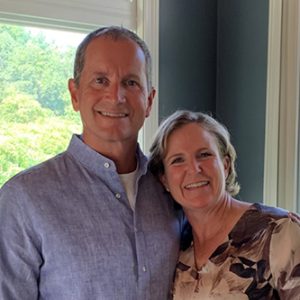
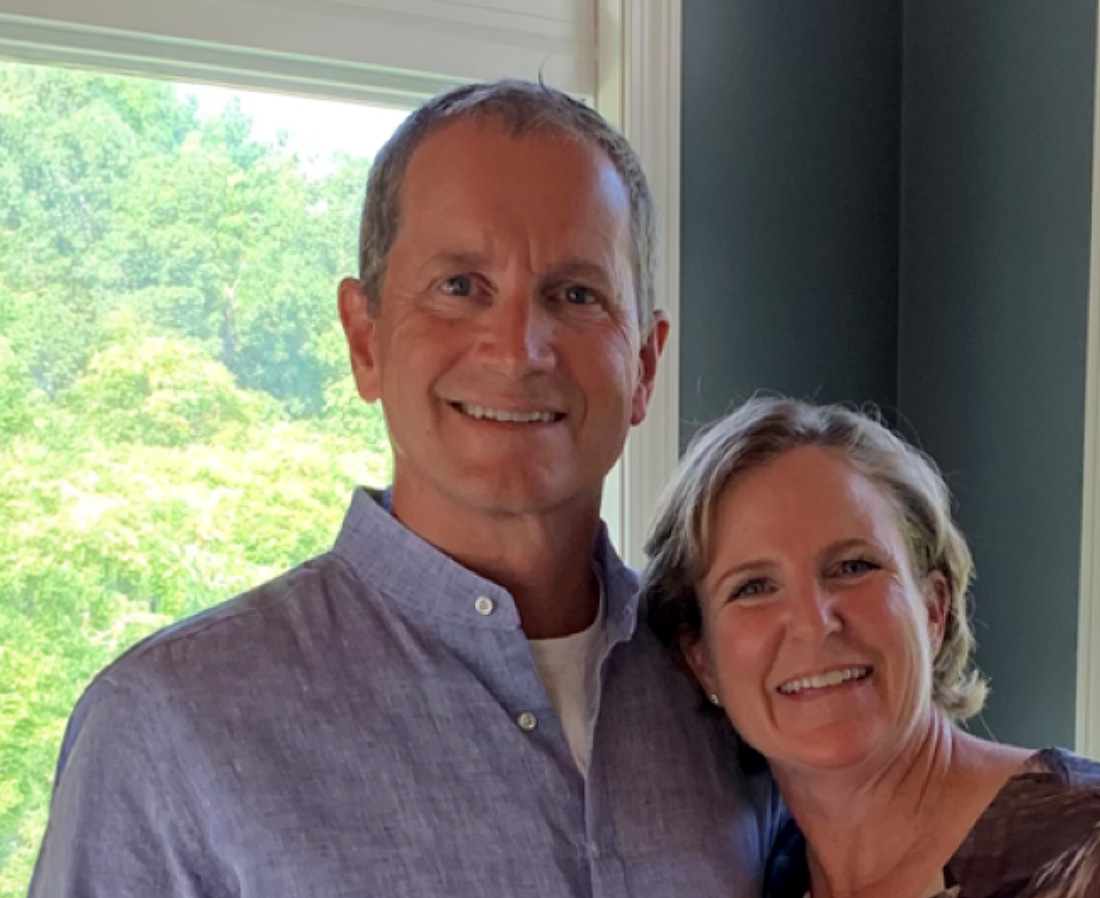
In this episode of “Wait, How Do You Spell That?” meet Scott and Katie—a couple who have faced advanced RCC with courage, honesty, and love. Scott shares how his unexpected diagnosis changed their lives, and Katie offers her perspective as a care partner in times of uncertainty. Together, they reflect on the emotional toll, the power of partnership, and Scott’s treatment experience with FOTIVDA®. Their story is a powerful reminder that even in the hardest moments, strength and connection can light the way forward.
Transcript

Patient Worthy FOTIVDA Podcast Transcript
November 13, 2025
HOST
This podcast episode is sponsored by AVEO Oncology. The product information in this podcast is intended only for U.S. residents. This episode features a real patient and their care partner, highlighting their experiences with the treatment option for advanced kidney cancer. Please note that the patient’s experience is their own and individual results may vary. This podcast is not intended as medical advice. Only a doctor can decide what medications may be appropriate for you. The patient and the caregiver were paid for their time and expenses.
Hi. Welcome to “Wait, How Do You Spell That?” a rare and chronic disease podcast presented by PatientWorthy.com. I am Bree Clare, Senior Director at Patient Worthy, and I’m so grateful you’ve tuned in. –
Today we’re discussing a topic that touches many lives, living with and managing advanced kidney cancer. Specifically, we’ll be focusing on advanced renal cell carcinoma, or RCC, a form of kidney cancer that has spread beyond the kidneys to distant parts of the body, making it more challenging to treat.
I’m honored to welcome Scott and Katie to the program. Scott’s journey began in July of 2021, when he started experiencing symptoms that ultimately led to a diagnosis of renal cell carcinoma resulting in the removal of his right kidney. At first, no additional treatments were needed, but in January 2023, after a biopsy of a lesion in his lung, Scott learned that his cancer had returned as stage four metastatic renal cell carcinoma. Today, we’re joined by Scott and his wife, Katie, who share their journey with renal cell carcinoma, the challenges they’ve faced, the lesson they’ve learned, and the support they’ve discovered along the way. Their story is not only about facing a difficult diagnosis, but also about the strength of partnership, perseverance, and hope. Through their experience, Scott and Katie remind us that no one has to face kidney cancer alone. There’s a community of understanding and shared strength every step of the way. So, whether you’re a patient, a care partner, or simply someone seeking hope and information, we believe you’ll find inspiration and connection in Scott and Katie’s story.
So, let’s get started.
HOST
Scott and Katie, welcome to the show.
SCOTT & KATIE
Thanks for having us.
HOST
Thanks so much for being here. So, let’s just start from the beginning. Scott, tell me a little bit about the symptoms that initially led you to your doctor.
SCOTT
Yeah, sure. So, I noticed blood in my urine, and I met with my physician who referred me to a urologist, and I had a CAT scan which revealed a renal cell tumor on my kidney.
HOST
Katie, looking back now, did you see any signs?
KATIE
None. Zero symptoms. That’s what was so wild. We’re incredibly lucky the tumor was located where it was because it caused blood in his urine. If it hadn’t, we still might not know it’s there.
HOST
That’s unbelievable. So then, what happened next?
SCOTT
Well, about a month later, I had my right kidney removed. At that time, no other treatments were needed. I was having CAT scans every three months, and nothing seemed suspicious. I had several three-month intervals where there was nothing happening or nothing alarming. There were a few spots in my lungs that seemed suspicious, but they were too small to biopsy. They did slightly increase in size, but nothing alarming. They were still kind of small. It wasn’t clear, and they agreed they would place me on surveillance. But then about a year and a half later, I had a biopsy because the lesions in my lungs were growing. And that’s when I got the diagnosis of stage 4 metastatic renal cell carcinoma.
HOST
What was it like to hear that?
SCOTT
I actually still don’t believe it, to be honest. I mean, I’m living it, but yeah, just that’s what other people get, you know?
HOST
Yeah.
HOST
What were some of the challenges that you experienced when you got that news?
SCOTT
There were a lot of emotional and mental challenges. I have a wife, four children, a mom, a sister, and other close family members. Emotionally, it was very difficult just coming to grips with having a stage four cancer diagnosis. I wasn’t feeling physically weak at the time, but it was scary. It is scary. I had already told my children once that I had cancer back when I had my first surgery. We were focusing on a good outcome. I thought that if I were to just have the surgery, that was sort of the cure for me. I was not terribly concerned about what was going on because I was dismissing them. I didn’t want to believe I could have metastatic kidney cancer.
Once it was confirmed, it was more emotional distress than anything. In the same week, we had to put our dog to sleep. It was not a good week.
Also, I am a dentist, and I have a practice in my hometown. So, it was sort of a challenge to keep that information under wraps, sort of out of a fear of it affecting the health of my business too. Those things were stressful for my wife and I. There were a lot of things happening at the same time.
HOST
And what about you, Katie? What was it like for you when you got the news?
KATIE
It was just a plethora of thoughts. Your mind just runs and it doesn’t stop. It’s like a gut punch every day you wake up and you’re reminded that it’s actually happening, and it didn’t just go away. The top of my mind, other than waking up with dread every day. I was trying to handle the kids’ emotions, trying to hold up the family and make sure everything was okay. Making sure everyone understood what was happening and just having everybody up to date in the communication part of it. He has a business, so financially I wasn’t working and he’s the breadwinner. So, of course he’s supposed to be working, but it’s such an awful feeling. I
felt so helpless. Only thing I could do was anything but work. So, I overcompensated and I did everything, every little thing, so he would make it through his workday and then just come home and just be just the financial burden overall and trying to keep everything normal.
At the time, one of our kids was an adult, two were still in college and one in high school. With our youngest, the teachers were amazing and supportive at school. So, I knew he was getting a lot of emotional support outside of the home. But with the others, how were they dealing with it? Everyone, every kid handles their emotions differently. So, I was just trying to figure out which, what each one needs. I was trying to be so strong for everybody. And we live in a small town, and having a business, you had to keep it quiet. So, I didn’t talk with any of my friends just because it was such a small town. I just talked with my sister. I was just pretending for so long. Constantly thinking about it. Every little movement was a 24-hour job, I was constantly checking to make sure he was okay. I was home, but I could also be at the office with him, making sure everything was running smoothly so he could get through the day. I tried to manage his schedule to help reduce stress and keep things on track.
HOST
Let’s shift gears just a bit here and talk about the care you received after your diagnosis. Tell me a little bit about your doctor and how you built trust with him.
SCOTT
So my doctor is just awesome. We love him. He called me on his honeymoon and emailed me, which we were amazed by.
KATIE
He got in trouble with his wife.
SCOTT
We met him and his wife on the Pan Mass Challenge. It’s a fundraising bicycle event for the Dana-Farber Foundation. I rode in it last year for the first time and we met at the finish line. He inspired me to do it. He’s a wonderful guy. We never felt like just a number.
HOST
And Katie, do you agree? How do you feel about Scott’s doctors?
KATIE
So great. I wish that everybody had the relationship that Scott has with his doctor. We moved to Dana Farber and ever since then, we’ve just been so lucky because we live just like an hour away. And they also listened to caregivers, which I like a lot. And my relationship with him is wonderful as well because they value my input.
HOST
So, what are some of the ways that getting this diagnosis changed your day-to-day life?
SCOTT
The biggest change in my life is that I actually sold my dental practice, and I sort of semi-retired. I still work part time. But in the middle of everything, I made the decision to sell the practice just in case something terrible happened. I didn’t want to leave my wife or family with the burden of having to deal with the business. That decision came about five years earlier than I had planned to retire, so it definitely sped things up for us. It’s been both good and bad. Selling the practice was a relief, but it came with a financial cost, and we’re still working through that.
HOST
Do you feel like you live your whole life differently now?
SCOTT
I do live my life differently. Apart from having gratitude more and thinking of my own mortality, it’s constantly sort of present. While I used to think that death may not be so far away, that it could be closer than you think. And that’s not a thing that I really ever dwelled on in the past, but generally, the way I live life, I try to live my life with a view that it could end sooner than I had previously thought. So I should probably try not to waste time and enjoy every moment.
Our oldest son said something really touching after my diagnosis. “You’ve always been my dad and really strong.” He had always seen me as someone solid without weakness or vulnerability. Suddenly that changed. And in a way, it’s been a gift for our kids because life is unpredictable. And it’s important to understand that things can change. What feels permanent sometimes isn’t.
HOST
I’d like to talk to you, Katie, now a little bit about the role of a care partner. What did you do to find some balance in your life?
KATIE
I was definitely stress eating because I love to bake. I said to myself: I had to do something, I had to be out of the house, away from Scott, and I had to go somewhere I could clear my head, just for a little bit, and not talk about cancer. So, I went to my local YMCA and learned how to play pickleball. Without knowing, my head would get away from cancer for 2 hours and it was wonderful. I am so thankful for each and every one of those people I played with because they’ve helped me heal a little bit each day so I could come back and be there for everyone at home. We are taking it just one day at a time and enjoying our day with each other.
HOST
Do you have any advice then for other care partners when it comes to all the logistical things like scheduling appointments and dealing with insurance companies, etc.?
KATIE
I sometimes have trouble giving advice because it’s important to recognize that everyone’s situation is different. And when you’re in it, you’re not really thinking clearly and you just kind of get through it the best you can. Just keep motivated by the love you have for the patients.
I wanted to take care of everything I could so that Scott could just focus on getting better. So, I just reminded myself of that and the love I have for him when I was waiting on hold to make appointments and calling insurance companies. Patience really is a virtue. And boy, do you learn how to be patient. There’s a lot of waiting.
HOST
But as far as accessing care and treatment, though, did you face any unexpected hurdles there?
SCOTT
Not so many hurdles, but we were so lucky. Once we got to Dana-Farber and started the clinical trial, they really treated us like royalty. They did everything they could to take care of us, and we felt truly cared for. We just felt like we were being wrapped in a warm hug while everything else was happening behind the scenes. All we had to do was show up on time.
HOST
So, when you were first diagnosed as metastatic, those first couple treatments you tried didn’t work for you, right? How are you able to stay determined to keep fighting?
SCOTT
At first, it was really hard, especially after the cancer came back. After the surgery, I thought I was cured, so it was utter disbelief. I was like, wow, is this really happening to me? Cancer went from being something way out there to something right in my face. But my oncologist didn’t panic and explained I still had options, which helped. But it was scary. I had four kids and a beautiful wife, so I just had to keep going and do whatever I had to do to still be there for them. It wasn’t a choice.
KATIE
Well, you had a choice in your attitude though. You chose to be positive and that gave us all hope.
SCOTT
Much hope. I found it in my kids also. They started to really lean on each other, show up for each other. It’s so hard because a parent isn’t supposed to put these hardships on their kids. But watching them handle it so well made me stronger and more hopeful.
HOST VOICEOVER
FOTIVDA is a prescribed medicine used to treat adults with advanced kidney cancer, advanced renal cell carcinoma, or RCC, that has been treated with two or more medicines and has come back or did not respond to treatment. Before taking FOTIVDA, tell your healthcare provider about all your medical conditions, including if you have high blood pressure, a history of heart failure, a history of blood clots in your veins or arteries, including stroke, heart attack, or change in vision, bleeding problems, thyroid problems, liver problems, an unhealed wound, if you plan to have surgery or have had recent surgery, or are allergic to FD&C number five, tartrazine, or aspirin. And just as a reminder to our audience, Scott’s experience is his own and individual results may vary.
HOST
So, how did you learn about FOTIVDA and what were your initial thoughts?
SCOTT
After my first couple of waves of therapy failed, I was offered other medications and told me about their side effects, and then I was told about a potential clinical trial. My oncologist mentioned there weren’t many openings in the trial left, and if I wanted to, he would try to get me in. And I was all about it. I wanted the opportunity. At that point, I just had to let go of any control I thought I had and go for it, hoping it would turn out okay. A doctor told me that less than 10 years ago, there were limited options for treating advanced kidney cancer. I’m just
I’m just so grateful to have options now and to be part of helping create more for future patients.
SCOTT VOICEOVER
My doctor told me about the most common side effects of FOTIVDA, which include nausea, diarrhea, fatigue, and hoarseness, and potential serious side effects such as sudden severe increase in your blood pressure that can lead to death.
HOST
And so, what was your experience like on FOTIVDA?
SCOTT
After starting the trial, my first scan was 8 weeks in and waiting for scan results is torture. And I was so afraid to get the results. I can’t stress enough how low we were. We were really low because the first medication I was on, it just was, it just went the wrong way for us and we were really spiraling down. So.
KATIE
I know, it’s like torture. It’s like words don’t really capture.
SCOTT
Yeah, that first, that first scan, we were so on pins and needles for that. So, my oncologist emailed me immediately after he got the results with the subject line that said, ‘Great Scan’. I was starting to see positive results with FOTIVDA. It was the first good news I had gotten since the advanced diagnosis. It gave me a whole new sense of hope after so long of bad news.
HOST
Scott, tell us a little bit about the support that you received during your diagnosis and your treatment journey. And what kind of impact did that have on you?
SCOTT
My family has been amazing. My wife has been my biggest supporter and biggest advocate. My wife really pushed us to move to Boston, and I’m so grateful we moved to Dana-Farber. Dana-Farber has some social workers that I’ve been able to talk with who are really wonderful. . My mom, sister, and kids have been terrific.
HOST
Katie, how about you?
KATIE
It’s been great. Dana-Farber has a wonderful social worker who called and was checking up on us. And then family and friends were great. We had a lot of nice support. Our kids were amazing as well. It was interesting to see how they contributed and how they’ve changed.
HOST
Have either of you ever spoken to anybody else with the same diagnosis, either as a patient or as a caregiver?
SCOTT
Yes. My doctor gave me the names of two individuals who had the same diagnosis that I reached out to a couple of times. And we have some good friends who are going through cancer in their own lives as well.
KATIE
Yeah, and we have met so many other patients and caregivers through Dana-Farber in the waiting rooms and hallways. It makes a big difference to talk to people who understand what you’re going through.
SCOTT
And to keep your cancer in perspective. At Dana-Farber, you see and meet people at all different stages. So, it reminds you a lot that things could be worse or that things could get better.
HOST
So, you both are ambassadors for FOTIVDA. How did you hear about the program?
SCOTT
My oncologist mentioned it to me, and it intrigued me. He thought I’d be good for the program but didn’t pressure me at all.
HOST
And how has it been?
SCOTT
It’s just been really cool and impactful. So meaningful and emotional.
HOST
So, you got to present your story recently then, right?
SCOTT
I presented at a meeting and there were hundreds of people in the room who were all focused on the same mission.
HOST
And how was that?
SCOTT
It’s meaningful for me and for them to see what all their hard work is for.
KATIE
Sharing your story is so important. There’s validity in witnessing people’s struggles.
SCOTT
Right. When I share my story and hear other people’s stories, it’s so important.
HOST
So that’s why you’re an Ambassador?
SCOTT
I’m an ambassador for me because it gives me so much energy to share my story with others. But if my story can be even a little bit of help to someone else, can give someone else even a little bit of hope, that’s huge.
HOST
So how do you both continue to maintain hope for the future?
SCOTT
I really just try to stay in the present. I know that in the future my scan could come back showing something, so it’s important to just focus on being healthy right now. Day-to-day, I feel fine, so I’m just trying to stay with that.
Research is another way to continue to find hope. Putting faith in research, raising money, doing clinical trials and studies, it helps maintain hope for me and for the future of others with kidney cancer.
KATIE
Scott was looking into participating in studies when he was still so sick. Because that’s how bad he wanted to be a part of helping others in the future.
HOST
So, Scott, what would you tell someone who was just diagnosed with advanced renal cell carcinoma?
SCOTT
First of all, it’s okay to be scared or concerned. Just take it one day at a time, focus on your family and your support system. Take each day as it comes. You’ve got this. My whole journey, once I understood that I was on a journey, I decided that whatever comes, comes.
We had some really hard days where I would come home from work exhausted, so I would just recharge my batteries. And then the next day, I’d be back at it.
HOST
And Katie, what about you?
KATIE
For other patients, you have to, You have to appreciate every day. Once you go through it, you appreciate the day so much more. Live one day at a time.
For caregivers, you have to make time for yourself somewhere in the day. Get out and clear your head. And, and then you can come back to the caregiver role stronger.
HOST
So, what would you say about your experience on FOTIVDA?
SCOTT
Trust your doctor. Keep in touch with the people you care about and just try to keep things feeling as normal as you can.
There are important side effects that you must be prepared for and inform your doctor about them immediately.
We approach it from a day-to-day perspective and as a team.
HOST
And lastly, how do you both go forward from here?
KATIE
Lead with gratitude.
SCOTT
I tried not to focus on being a cancer patient. I’m just a dude going through life, trying to be a good dad, a good husband, friend, and citizen. Initially when I got the diagnosis of advanced renal cell carcinoma, I was shocked. I created this victim narrative, and it made me feel so alone and, and we kept it pretty quiet. We didn’t tell a lot of people because I didn’t want to burden them with it.
But after a while, I was able to actually see all the people supporting me.
HOST
And that’s going to conclude our conversation today with Scott and Katie. Thank you both so much for joining us and for so openly sharing your story about living with advanced renal cell carcinoma. Your willingness to discuss not only the challenges you faced, but also the remarkable strength, hope, and resilience that you have from your partnership and mutual support is truly inspiring.
And to the listeners, thank you for joining us for this episode of “Wait, How Do You Spell That?”. We hope that today’s conversation sheds light on the importance of recognizing symptoms, advocating for yourself and your loved ones, and seeking out potential treatment options for those with relapsed or refractory advanced renal cell carcinoma.
Talk to your healthcare provider about FOTIVDA and find out if it’s right for you.
And if there’s one message we want you to take away today, it’s this. You are not alone. Whether you are a patient, a care partner, or someone just looking for hope, there’s a community ready to support you.
Please continue to listen for important safety information about FOTIVDA.
HOST VOICEOVER
Important safety information.
Before taking FOTIVDA, tell your healthcare provider about all your medical conditions, including if you have high blood pressure, a history of heart failure, a history of blood clots in your veins or arteries, including stroke, heart attack or change in vision, bleeding problems, thyroid problems, liver problems, an unhealed wound, if you plan to have surgery or have had recent surgery, or are allergic to FD&C No. 5, tartrazine, or aspirin.
Tell your healthcare provider if you are pregnant or planning to be. FOTIVDA can harm your unborn baby. If you are able to become pregnant:
-Your healthcare provider should do a pregnancy test before you start treatment.
-Use effective birth control contraception during treatment and for one month after your last dose.
-Talk to your healthcare provider about birth control methods that may be right for you.
-Tell your healthcare provider right away if you become pregnant or think you might be pregnant.
-Do not breastfeed during treatment and for one month after your last dose of FOTIVDA.
Tell your healthcare provider about all the medicine you take and any new medicine. Taking FOTIVDA with certain other medicines may affect how FOTIVDA works.
FOTIVDA may cause serious side effects, including:
-High blood pressure (hypertension). High blood pressure may be severe, including a sudden severe increase in your blood pressure, hypertensive crisis that can lead to death. You should check your blood pressure regularly and tell your healthcare provider if you have increased blood pressure or experience confusion, headaches, dizziness, chest pain, or shortness of breath.
-Heart failure. Heart failure may be serious and sometimes lead to death. Your healthcare provider should check for symptoms of heart failure regularly, such as shortness of breath or swelling of your ankles.
-Heart attack and blood clots in your veins or arteries. Blood clots may be serious and sometimes lead to death. Tell your healthcare provider or get emergency medical help right away if you have new chest pain or pressure, numbness or weakness on one side of your body, pain in your arms, back, neck, or jaw, trouble talking, shortness of breath, sudden severe headache, vision changes, swelling in the arms or legs.
-Bleeding problems. Bleeding may be serious and sometimes lead to death. Report or get medical help right away if you have unusual bleeding from the gums, red or black stools, looks like tar, looks like tar, menstrual bleeding or vaginal bleeding that is heavier than normal, bruises that happen without a known cause or get larger, headaches, feeling dizzy or weak, bleeding that is severe or you cannot control, coughing up blood or blood clots, pink or brown urine, vomiting blood or your vomit looks like coffee grounds, unexpected pain, swelling, or joint pain.
-Protein in your urine. Your healthcare provider should check your urine for protein before and during treatment.
-Tear (perforation) in your stomach or intestines, or an abnormal connection between two or more body parts (fistula). Get medical help right away if you experience tenderness or pain in your stomach area, or abdomen that is severe and does not go away.
-Thyroid gland problems. Your healthcare provider should do blood tests to check your thyroid gland function before and during your treatment and may prescribe medicine if you develop thyroid gland problems.
-Risk of wound healing problems. Wounds may not heal properly during treatment. Tell your healthcare provider if you plan to have surgery before starting or during treatment, including dental surgery. You should stop taking FOTIVDA at least 24 hours before planned surgery. Your healthcare provider should tell you when you may start FOTIVDA again after surgery.
-Reversible Posterior Leukoencephalopathy (RPLS) is a condition that can happen. Contact your healthcare provider right away if you have headaches, seizures, confusion, blindness, or changes in vision, or difficulty thinking.
-Allergic reactions to tartrazine (FD&C yellow number five). FOTIVDA contains a dye called FD&C yellow #5 tartrazine that may cause allergic-type reactions, including bronchial asthma in certain people. This occurs most often in people who are also allergic to aspirin.
Common side effects include tiredness, diarrhea, decreased appetite, nausea, hoarseness, low levels of thyroid hormones, cough, mouth sores, decreased blood levels of salt (sodium) and phosphate, increased levels of lipase in blood. Other side effects include vomiting and weakness or lack of energy.
FOTIVDA may cause fertility problems in males and females, which may affect your ability to have a child. Your healthcare provider may change your dose, temporarily stop or permanently stop treatment with FOTIVDA if you have certain side effects. These are not all the possible side effects of FOTIVDA.
To report suspected adverse reactions, contact AVEO Pharmaceuticals, Inc.
at 1-833-FOTIVDA. That’s 1-833-368-4832 or the FDA at 1-800-FDA-1088 or at www.fda.gov/medwatch.
Please see the patient information in full at [email protected].
Thank you again for tuning in to “Wait, How Do You Spell That?” and for listening to Scott and Katie’s story. No matter where you are in this journey, there’s a caring community here to support you, and you are not alone.