About
Living with RCC is a space to discover helpful resources and connect with community through shared experiences. Explore our collection of podcasts, articles, and videos designed to support you. Find content to help you navigate your advanced RCC treatment journey. Visit the Story Studio to find messages of perseverance, hope, and inspiration.
Listen, Watch, and Learn

Explore Our Stories
Discover real stories from people who have been where you are. Explore podcasts, articles, and videos designed to support you.

Navigate Your Treatment
Learn about living with advanced kidney cancer, treatment with FOTIVDA® (tivozanib), and AVEO ACE, our patient support program.

Find Support
Finding the right support can make a meaningful difference. Learn about available resources and connect with national and local kidney cancer advocacy groups.
Meet Real Patients and Caregivers Living With Advanced RCC
Discover how patients and caregivers have transformed their experiences with advanced RCC into stories of strength, support, and hope for others.
Chris
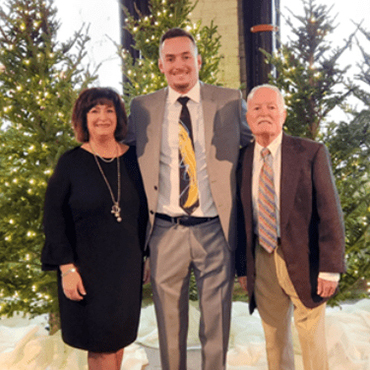
Chris is known for his charisma and his award‑winning salsa. First diagnosed with renal cell carcinoma (RCC) in 2014, he enjoyed several years of remission before learning that his cancer had returned and progressed to an advanced stage. After several treatments no longer worked, Chris and his oncology team explored new options, leading him to begin treatment with FOTIVDA. Today, he approaches life with strength, optimism, and a desire to encourage others facing advanced RCC.
Scott and Katie
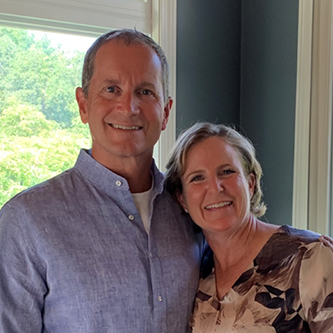
Scott, a dentist and devoted husband and father of four, was diagnosed with renal cell carcinoma (RCC) in 2021. After learning that his cancer had returned as metastatic RCC, he explored treatment options with his oncology team and, with support from his wife, Katie, joined a clinical trial for FOTIVDA. Today, Scott and Katie share their story to encourage and support others navigating advanced RCC.
George and Lucy
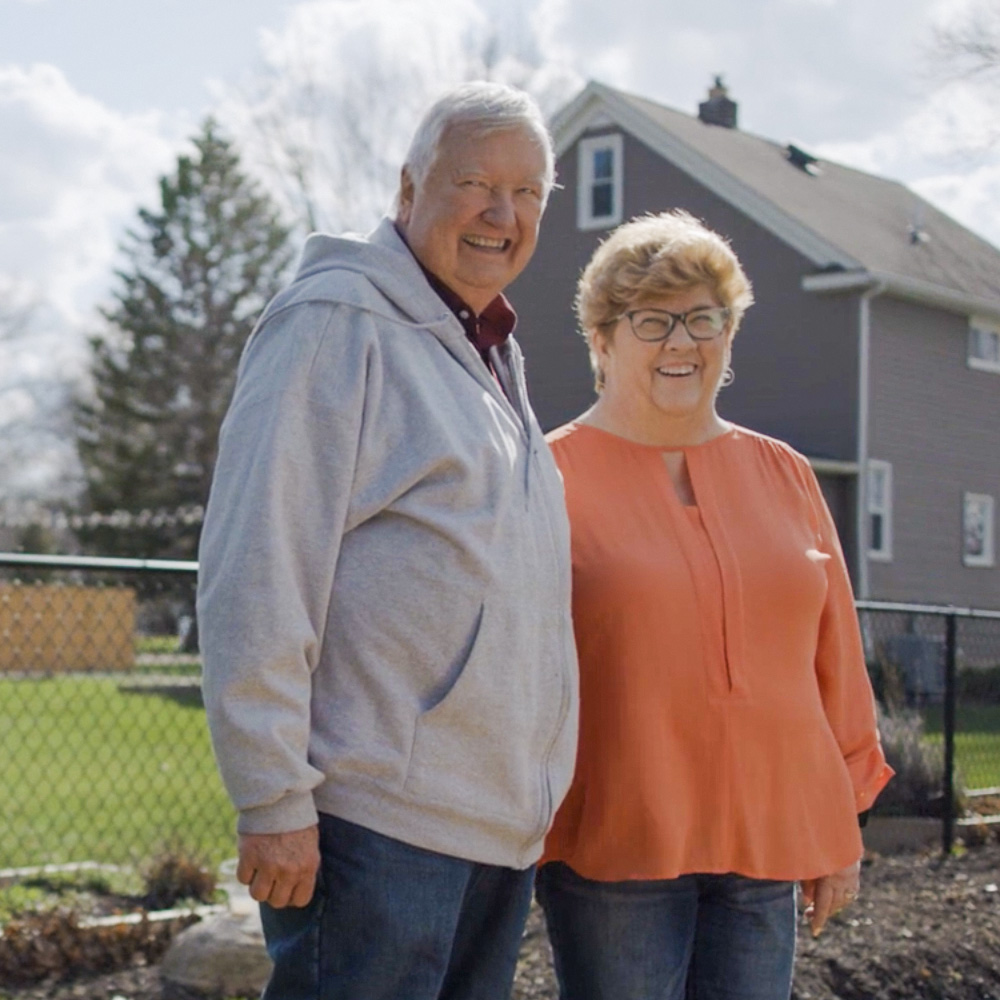
George, a retired professor and industry professional, lives with strong support from his wife, Lucy. After noticing blood in his urine, he was diagnosed with advanced renal cell carcinoma (RCC). Following several treatments and clinical trials, George joined a study for what would later become FOTIVDA. Today, George and Lucy share their experience to help others stay hopeful, informed, and encouraged to ask questions.
Valeri

Valeri, a devoted mother and passionate gardener, was diagnosed with advanced renal cell carcinoma (RCC) after recovering from a major hip injury. After surgery and several treatments, she later learned her cancer had returned. Today, Valeri shares how treatment with FOTIVDA, along with the support of her family and her love of gardening, has helped her focus on hope, healing, and gratitude.
Understanding RCC and What Comes Next
Facing advanced kidney cancer can feel overwhelming, but having a clear plan and the right information can make a difference. Learn how FOTIVDA works and explore helpful questions to guide conversations with your healthcare team as you discuss next steps in your treatment journey.
Renal cell carcinoma (RCC) is the most common type of kidney cancer. If it returns after treatment, it’s called a relapse. When a current medicine stops working, it’s known as refractory disease.
If you’re facing either of these situations, it’s natural to feel concerned about what comes next. You’re not alone, and there are treatment options that may help.
Talking openly with your healthcare team can help you feel more informed and confident about your options. To make the most of your visit, consider writing down questions or topics you’d like to discuss ahead of time.
Questions to ask your healthcare team about FOTIVDA
- Is FOTIVDA a treatment that could be right for me?
- How does FOTIVDA work for advanced RCC?
- What should I know about FOTIVDA, including serious and common side effects?
- How will I know if FOTIVDA is working for me?
- Can FOTIVDA fit into my daily routine?
- Are there support programs or resources available if I start FOTIVDA?
Overview of FOTIVDA
FOTIVDA is a prescription medicine used to treat adults with advanced kidney cancer (advanced renal cell carcinoma or RCC) that has recurred or not responded after two or more prior treatments. The effectiveness and safety of FOTIVDA was proven in a large clinical study of 350 people with relapsed or refractory advanced kidney cancer where at least two medicines stopped working. During the study, 175 people with advanced RCC were randomly assigned to take FOTIVDA and 175 were randomly assigned to take sorafenib, an approved RCC treatment.
increase in time without tumor growth or spread
(5.6 months for FOTIVDA vs 3.9 months for sorafenib)
experienced no cancer growth or spread for one year
(compared with 11% taking sorafenib)
as many people who took FOTIVDA had their tumor(s) get smaller in size
with 18% experiencing tumor shrinkage (compared with 8% taking sorafenib)
experienced disease control with FOTIVDA
(compared with 65% taking sorafenib)
Possible side effects of FOTIVDA
Side effects can occur when taking FOTIVDA. Remember that no two treatment experiences are the same. You may not experience all of these side effects while taking FOTIVDA. Please call your healthcare provider right away if you experience any side effects. These are not all the possible side effects of FOTIVDA.
Possible serious side effects
- High blood pressure (hypertension)
- Heart attack and blood clots in your veins or arteries
- Protein in your urine
- Risk of wound-healing problems
- Allergic reactions to tartrazine (FD&C Yellow No.5)
- Heart failure
- Bleeding problems
- Thyroid gland problems
- Reversible Posterior Leukoencephalopathy Syndrome (RPLS)
- Tear (perforation) in your stomach or intestines or an abnormal connection between two or more body parts (fistula).
Common side effects
- Tiredness
- Diarrhea
- Decreased appetite
- Nausea
- Hoarseness
- Low levels of thyroid hormones
- Cough
- Mouth sores
- Decreased levels of salt (sodium) and phosphate in the blood
- Increased levels of lipase in the blood
There is Support For You
AVEO ACE is a comprehensive program that provides personalized and ongoing support to those with advanced RCC. Advocacy and community organizations also offer support and educational resources to patients and caregivers. Explore further to find support that may be right for you.
Join our FOTIVDA® Patient Community on Facebook
Connect with others living with advanced RCC and find support along the way.